
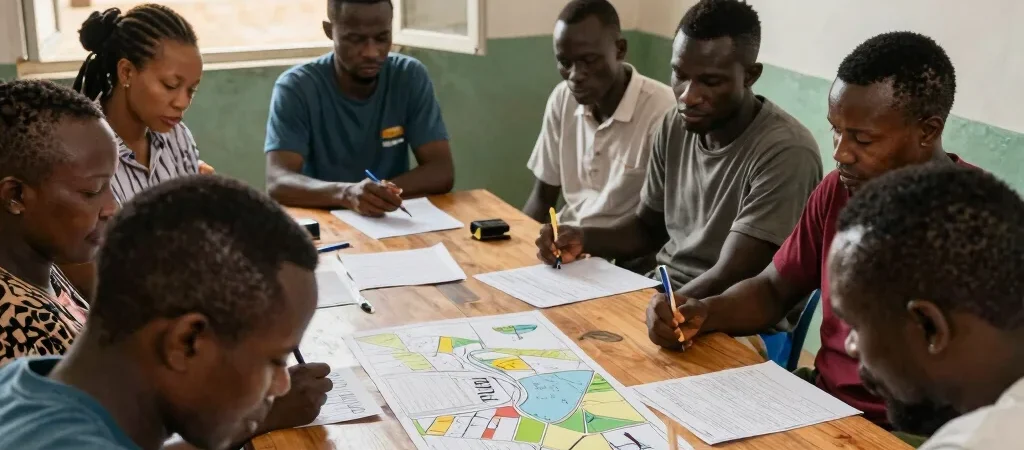
The catered hotel conference room has become the dominant theatre of community participation across Southern Africa. Representatives are brought in, presented with prepared slide decks, and asked for feedback on frameworks that have already secured donor clearance. This ceremonial inclusion creates an illusion of consent while insulating central program designs from genuine structural challenge.
Recognising Tokenism in Civil Society
Consultation without decision-making power is merely an extraction of local credibility. Grassroots leaders frequently report exhaustion from participating in repetitive focus groups that yield detailed policy briefs but bring no shifts in operational budgets. When communities realize their contributions serve primarily to tick procedural boxes, trust between local organizing bodies and international non-governmental organisations erodes rapidly.
Supporting Organised Movement Structures
Grassroots development requires recognizing that informal community movements, township associations, and savings clubs already possess sophisticated organising strategies. Rather than inventing parallel project committees, funding partners must learn to interface with existing civic institutions on terms those institutions establish. Unrestricted core operational grants allow local organisers to respond to evolving social crises without begging for project variance approvals.
The Demands of Mutual Accountability
Accountability cannot remain a one-way street where local groups report upward while external agencies keep their strategic deliberations opaque. Development practitioners must open their balance sheets, procurement decisions, and governance debates to direct review by the communities they exist to support. Only when power flows bidirectionally can regional development move beyond patronising stewardship toward substantive solidarity.